Showing posts with label Botany. Show all posts
Showing posts with label Botany. Show all posts
Tuesday, May 5, 2015
Wednesday, October 29, 2014
Wednesday, October 16, 2013
Science: Botany: Morning Glories
The Morning Glory Species Calystegia sepium is a species of bindweed, and very common in Washington, United States. It is a vine that twines itself around other plants. The leaves are simple type and the flowers are white and trumpet-shaped. There are several subspecies of Calystegia sepium, they are listed below:
 |
| Calystegia sepium |
- Americana, North America
- Angulata, North America
- Appalachiana, Eastern North America
- Binghamiae, California
- Erratica, North America
- Limnophila, South America
- Roseata, Western Europe, Coasts, Pink
- Sepium, Europe, Asia
- Spectabilias, Siberia, Pinkish

Science: Botany: Stinging Nettle
|
|

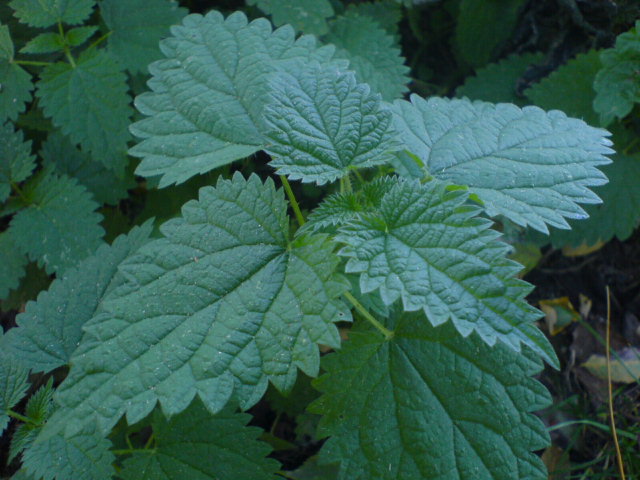
Wikipedia: Stinging Nettle
Science: Botany: Sword Fern, Oregon Grape, Hawthorns
 |
| Sword Fern |
The Sword Fern (Polystichum munitum) is an evergreen fern native to Washington. Oregon, and California. The spores help relieve swelling from a sting from Stinging Nettle. It does best in cold weather.
Oregon Grape
The berries of the Oregon Grape (Mahonia nervosa) help treat: Giardia, Candita, Viral Diarrhea, and Cholera. It is an evergreen shrub. The berries are small and purplish-blue. They we're collected by Lewis and Clark on their expedition, and revealed to science in 1813.
 |
| Oregon Grape |
They are small trees with long thorns and smooth or scaly bark. The fruit are small and resemble small apples or rose hips. The fruit has a very bitter taste.
Wikipedia: Ferns
Wikipedia: Tall Oregon Grape
Wikipedia: Hawthorns
Subscribe to:
Posts (Atom)